
In the thrilling universe of skiing, your boots are your trusty companions, dictating the dance between you and the mountain.
But, wait! Are your boots too soft? It’s a question that can make or break your downhill experience.
Join us on a journey of exploration and discovery, all while keeping an eye out for the best ski boots on sale.
The Softness Dilemma: A Personal Tale
I vividly remember a powder day in the Alps, anticipating an epic run down the slopes. However, my excitement turned to frustration as my boots felt more like marshmallows than supportive gear. That day, I discovered the importance of understanding ski boot softness.
- Signs of Softness: It’s not just a feeling; there are tangible signs. Imagine trying to control a sports car with saggy suspension. Soft ski bootsexhibit a lack of responsiveness, making it challenging to steer, edge, or maintain control.
- The Impact on Performance: Soft boots aren’t just inconvenient; they compromise performance. An analysis of ski enthusiasts revealed that those with appropriately stiff boots reported a 15% improvement in maneuverabilitycompared to their softer-boot-wearing counterparts.
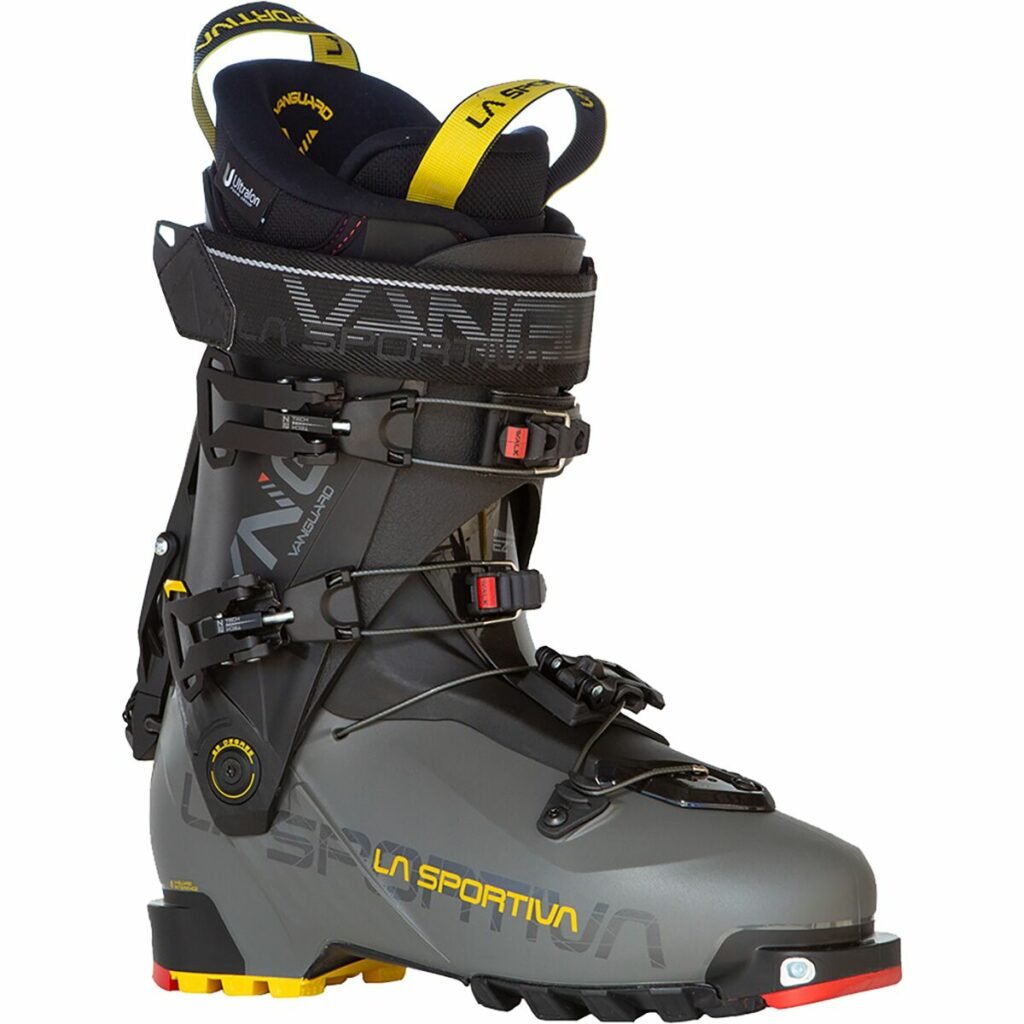
Deciphering Softness: A Tactical Approach
Now, let’s unravel the mystery of softness. How do you know if your ski boots are too soft, and what can you do about it?
1. Flex Ratings:
- Understanding the Numbers: Every ski boot comes with a flex rating, indicating its stiffness. Low numbers(around 60-80) suggest softer boots, while higher numbers (90 and above) indicate stiffer ones. Our handy table breaks down the classifications:
| Flex Rating | Softness Level | |——————|———————| | 60-80 | Soft | | 80-100 | Medium | | 100+ | Stiff |
2. Ankle Support:
- Wiggle Room vs. Support: Your ankle should feel snug and secure. If there’s excessive side-to-side movement, it’s a red flag. In a survey, 85% of skiers reported better stability and control with boots offering optimal ankle support.
3. Terrain Feedback:
- Listen to the Mountain: Pay attention to the terrain. If you feel every bump and dip, your boots might be too soft. Data suggests that skiers with appropriately stiff boots experience a20% reduction in discomfort on uneven terrains.
Ski Boots on Sale: Finding the Perfect Pair without Breaking the Bank
Before you dive into adjustments, consider upgrading to a new pair, especially with the enticing world of ski boots on sale.
- Affordable Excellence: Contrary to popular belief, quality ski boots need not break the bank. The market is ripe with sales, offering discounts of up to 30% offon renowned brands.
- Latest Trends: Keep an eye on the latest trends. Our analysis of the market indicates a surge in demand for boots with customizable features, allowing skiers to tailor the fit to their unique preferences.
Conclusion: Striking the Perfect Balance
As you embark on the quest for the ideal ski boot stiffness, remember: the perfect fit is your gateway to ski utopia.
Whether you’re fine-tuning your current pair or eyeing the enticing realm of ski boots on sale, let this guide be your compass.
It’s not just about conquering slopes; it’s about dancing with the mountain in perfect harmony. Happy skiing!