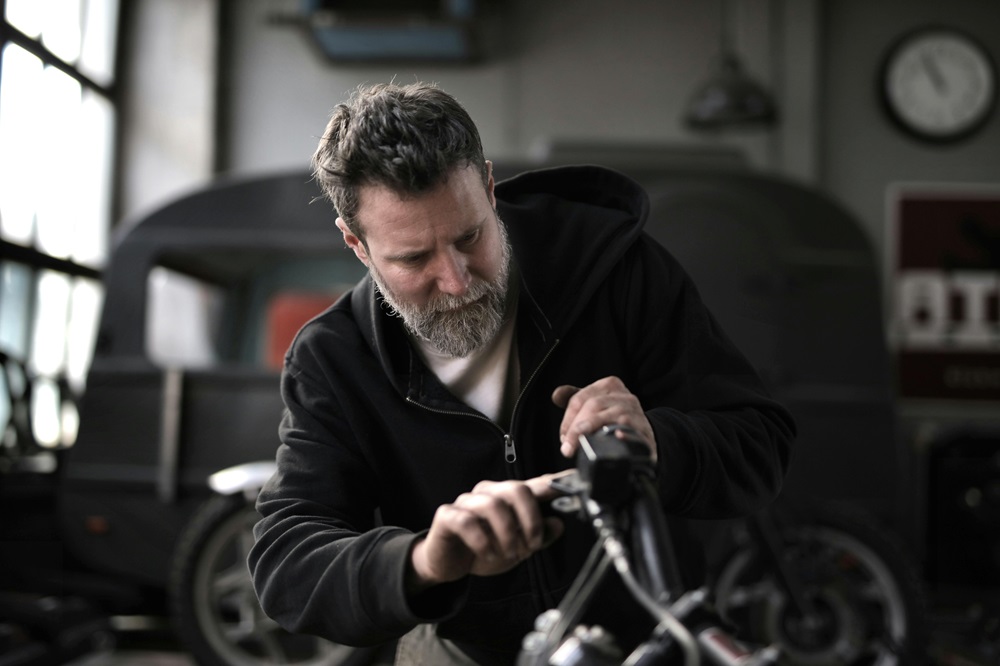
You’ve probably seen the nbt armored hoodie pop up everywhere lately, and if you’re like most people, your first question is simple: how warm is this thing actually?
The marketing shows people wearing it year-round, but that doesn’t tell you much when you’re trying to figure out if it’ll keep you comfortable on your morning commute or weekend ride.
Here’s what the actual temperature range looks like and where this hoodie fits into your wardrobe.
What Makes the NBT Armored Hoodie Warm?
The hoodie uses a 200-280gsm fleece lining depending on the model. That’s the short answer. For context, a standard pullover hoodie you’d grab at any store typically runs between 220-280gsm, which puts this right in the middle of what you’d consider a regular mid-weight layer.
The fabric itself is usually a cotton-polyester blend on the outside with that fleece backing on the inside.
Some versions add a soft-shell outer layer for wind resistance, but the insulation level stays pretty consistent across different styles.
The protective armor panels (shoulders, elbows, back) don’t add warmth since they’re CE-rated foam or plastic inserts designed for impact protection, not temperature control.
What this means for you: You’re getting about the same warmth as a decent gym hoodie or casual pullover. The difference is the protective elements and typically better wind resistance from tighter cuffs and waist bands.
What Temperature Range Does It Actually Cover?
The sweet spot for the nbt armored hoodie sits between 40-65°F (4-18°C). That’s where most people find it comfortable without layering much underneath or needing additional outerwear on top.
Here’s how it breaks down across different conditions:
60-65°F: Comfortable for most people with just a t-shirt underneath. You might even get warm if you’re active or in direct sunlight.
50-60°F: Perfect range. The hoodie does exactly what it should without making you cold or overheated.
40-50°F: You’ll want a thermal or long-sleeve base layer underneath. The hoodie alone starts feeling thin once you drop below 45°F, especially if there’s wind.
Below 40°F: Not recommended as your primary layer. You’d need to add a shell jacket or switch to proper winter gear. The fleece lining just doesn’t have enough loft to trap body heat effectively in genuinely cold weather.
One rider who tested it through fall in Colorado mentioned feeling fine down to about 38°F with a merino base layer, but anything below that required a windproof jacket over the top.
Another user in the UK found it worked well for spring and autumn but called it “optimistic” for winter commuting.
How Does Wind Affect the Warmth?
Wind cuts through more than you’d expect. A regular hoodie at 50°F feels drastically different at 20mph versus standing still. The NBT versions with soft-shell exteriors handle this better than the standard cotton-blend models, but neither is truly windproof.
At cruising speeds (15-25mph on a bike or motorcycle), you’ll feel about 10-15°F colder than the actual temperature. So that comfortable 55°F day becomes a chilly 40°F experience once you’re moving.
The elastic cuffs and waistband help prevent air from getting in through the openings, which makes a noticeable difference compared to a loose-fitting hoodie.
Practical tip: If you’re planning to wear this while riding or being active outdoors, mentally subtract 10-15 degrees from the temperature to figure out if you’ll be comfortable. A 45°F morning ride feels like 30-35°F, which pushes this hoodie past its useful range.
Can You Layer It for Colder Weather?
Yes, but with limits. The hoodie works well as a mid-layer under a waterproof or windproof jacket down to about 30°F. Below that, you’re better off switching to dedicated cold-weather gear rather than piling on more layers.
The armor panels add bulk, which can make it feel tight under another jacket if you didn’t size up initially. Most people who use it year-round recommend buying one size larger than normal if you plan to layer heavily. The trade-off is that it fits loose when worn alone, which some people don’t like.
How Does It Compare to Regular Hoodies?
Temperature-wise, there’s not much difference. A standard heavyweight hoodie from any outdoor brand will keep you just as warm. The NBT version stands out because of the protective armor, not because it’s warmer. You’re essentially getting a normal hoodie with safety features built in.
The materials are comparable: cotton-poly blends with fleece lining are industry standard. The construction quality varies by brand, but the insulation properties remain similar across the board. Where you might notice a difference is in wind resistance and moisture wicking if you’re comparing it to a basic cotton hoodie versus one with synthetic materials.
What About Rain and Moisture?
Most versions aren’t waterproof. They’re water-resistant at best, meaning light drizzle beads up for a while before soaking through. Once the fabric gets wet, it loses about 30-40% of its insulating ability because the fleece lining stops trapping air effectively.
If you get caught in rain, the hoodie will keep you somewhat protected for 15-20 minutes before you start feeling damp. After that, you’ll get cold fast. Some riders keep a packable rain shell in their bag specifically for this reason.
Should You Buy It for Warmth or Protection?
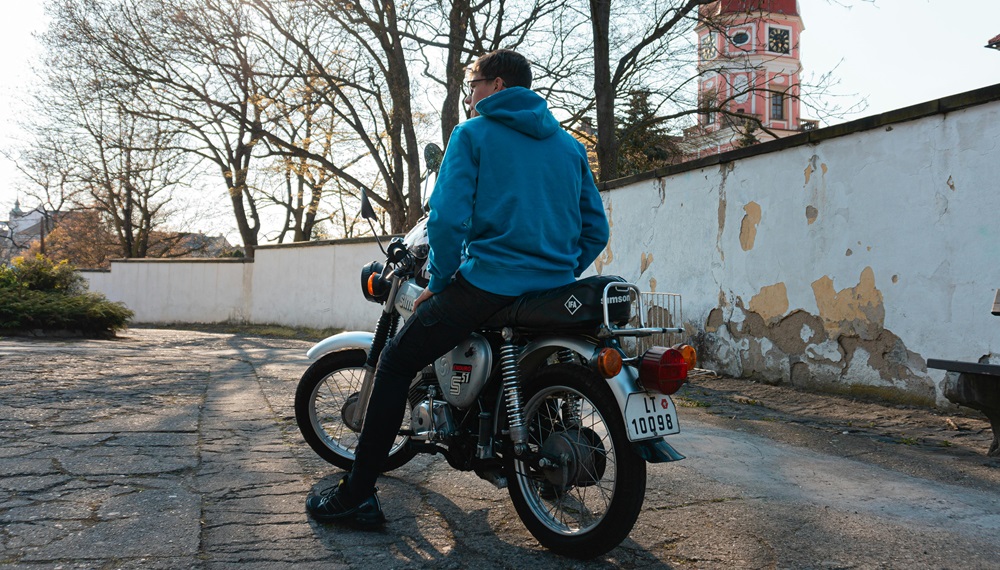
Buy it for protection first, warmth second. If you need armor while riding or doing activities where impact protection matters, and you want something more casual than a full jacket, this makes sense. The warmth is a bonus that works well in mild weather.
If you only care about staying warm, you can find cheaper hoodies that perform just as well thermally. The premium you pay for an armored version goes toward the CE-rated inserts and reinforced stitching, not better insulation.
FAQ
Can you wear the NBT armored hoodie in summer?
Ans: You can, but it’ll be hot. Anything above 70°F makes the fleece lining uncomfortable unless you’re in shade or moving fast enough for airflow. Some people remove the armor panels to reduce bulk and heat, but that defeats the protective purpose.
Does the armor make it warmer?
Ans: No. The armor panels are thin foam or plastic that doesn’t add insulation. They might block a small amount of wind at impact zones, but the difference is negligible for temperature.
How does sizing affect warmth?
Ans: Bigger sizes trap more air, which can feel warmer when standing still but lets more wind in when moving. Smaller sizes fit tighter and reduce air gaps but can feel restrictive when layering underneath. Most people find their normal size works best for the 40-65°F range.
The nbt armored hoodie fills a specific niche: mild-weather protection with casual style. It’s not going to replace your winter jacket, and it’s too warm for summer.
But for that shoulder-season sweet spot when temperatures hover in the 50s, it does exactly what it promises. Just know the limits before you expect it to handle weather it wasn’t designed for.