
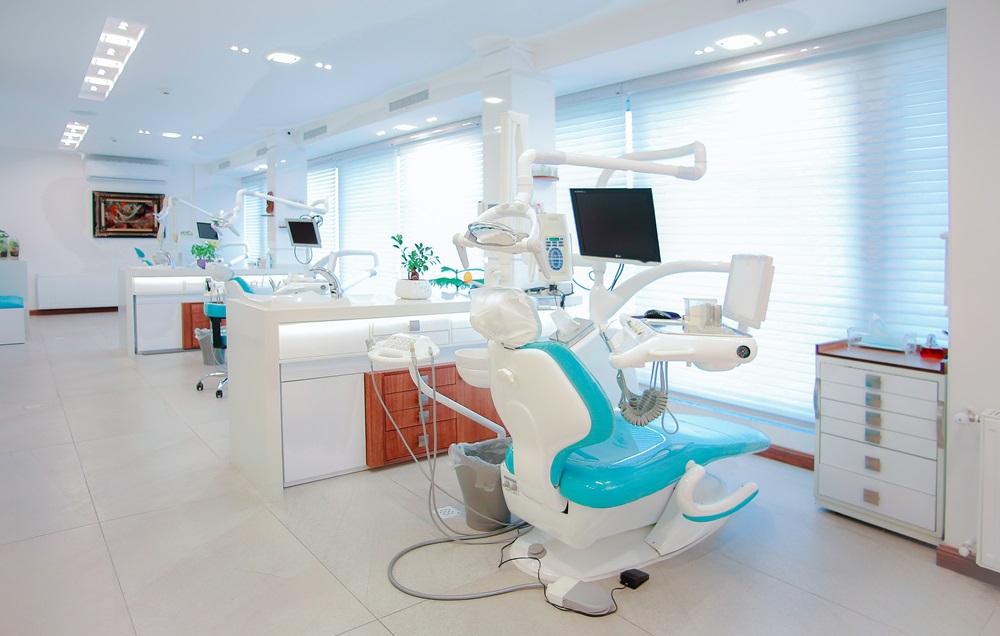
Most parents assume any family dentist can handle a child’s teeth. But there’s a real difference between a general practice that sees kids and one built specifically for them.
Roughly 36% of children experience dental anxiety, and how an office responds to that fear shapes whether your child cooperates now – or avoids the dentist for years.
If you’re looking for the best dental office for kids, these are the things that actually separate the good from the average.
How Do You Spot a Truly Kid-Focused Office?
The clearest sign is pediatric-specific training, not just a colorful waiting room.
A pediatric dentist completes two to three years of additional training after dental school, focused entirely on children’s oral development, behavior management, and treating kids with special needs.
A general family dentist may see children regularly but hasn’t gone through that specialized program.
That extra training shows up in small but important ways – how the dentist explains a procedure to a six-year-old, how they manage a child who’s panicking, and how they spot early developmental issues in jaw growth or tooth spacing that a less specialized eye might miss.
What Does the Staff Do Differently?
In a well-run pediatric practice, every person in the room – from the front desk to the hygienist – knows how to talk to kids without talking down to them.
That’s harder to train than it sounds. Children pick up on tension immediately. If a hygienist seems rushed or uses words like “sharp” or “pain,” a child’s anxiety spikes fast.
Pediatric-trained staff use what’s called “tell-show-do” – they explain what they’re about to do, show the instrument, then do it slowly. Studies show this technique significantly reduces procedural anxiety in children aged three to twelve.
It’s not about being performatively cheerful. It’s about being calm, predictable, and honest with kids in a language they can follow.
Does the Physical Space Actually Matter?
Yes, more than most parents expect.
Children process environments differently than adults. A waiting room that looks and feels like a standard medical office can trigger anxiety before the appointment even starts.
Research from the Journal of Dentistry for Children found that child-friendly environmental design – including lower furniture, softer lighting, and child-accessible entertainment – measurably reduced pre-appointment anxiety scores.
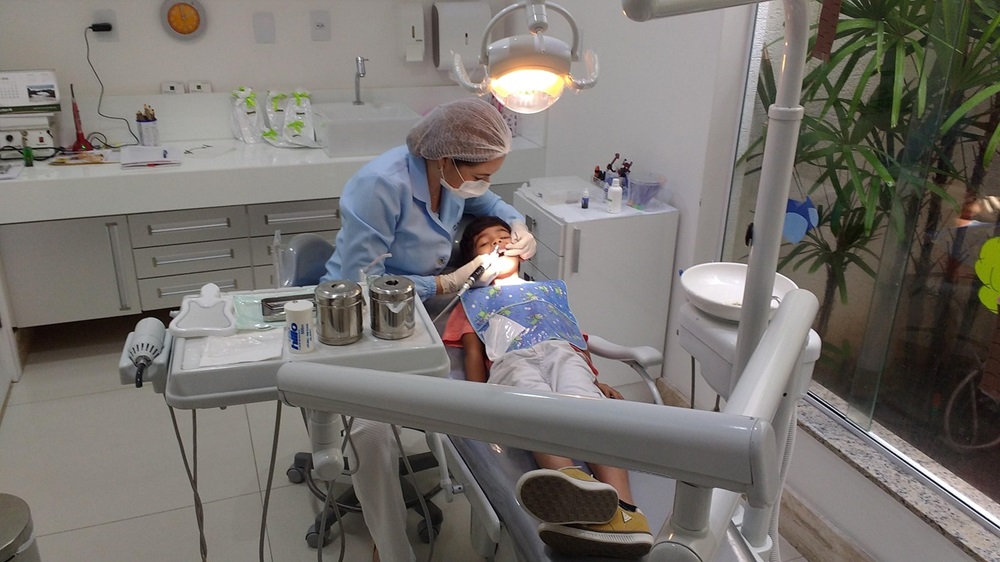
But the details go further than décor. The operatory chairs, the size of instruments, the protective bibs, the suction tools – pediatric offices use scaled-down versions built for smaller mouths.
Using adult-sized instruments on a child isn’t just uncomfortable; it can make the experience feel overwhelming and harder to manage behaviorally.
How Does a Good Pediatric Office Handle a Child Who Won’t Cooperate?
This is where average practices struggle most.
A child who’s scared, crying, or refusing to open their mouth isn’t being difficult – they’re reacting normally to an unfamiliar and sometimes uncomfortable situation.
The American Academy of Pediatric Dentistry (AAPD) outlines several accepted behavior management techniques, including voice control, distraction, and in some cases, nitrous oxide sedation for more anxious patients.
An office that skips to restraint or pressure tactics without trying communication-first approaches is a red flag.
The best offices have a clear protocol for how they escalate from simple distraction to more involved support, and they explain that protocol to you before anything starts.
What Should You Actually Ask Before Booking?
A few direct questions will tell you a lot:
Ask whether the dentist is board-certified in pediatric dentistry. Ask what they do when a child won’t cooperate. Ask how they handle a child with sensory sensitivities or special needs.
And ask whether they offer early infant oral examinations – the AAPD recommends a first dental visit by age one, and offices that follow that guideline are taking prevention seriously.
If you get vague answers or feel rushed, that’s information too.
FAQs
At what age should a child first see a dentist?
The AAPD recommends the first visit by age one, or within six months of the first tooth appearing. Earlier visits help catch developmental issues and get children used to the environment.
Is a pediatric dentist different from a family dentist?
Yes. A pediatric dentist has two to three years of post-dental-school training focused specifically on children, including behavior management and developmental oral health.
How do you know if an office is good at handling dental anxiety in kids?
Ask directly. A good office will explain their behavior management approach clearly. If they can’t, or if they seem dismissive of anxiety as a concern, look elsewhere.
Should kids see the same dentist as adults in the family?
Not necessarily. General dentists can treat children, but a dedicated pediatric practice offers more specialized care, especially for anxious kids or those with developmental needs.
What’s the right visit frequency for kids?
Most children need check-ups every six months, same as adults. But some kids with higher cavity risk or orthodontic concerns may need more frequent visits – your dentist should tell you which category your child falls into, and that kind of personalized attention is exactly what separates a great best dental office for kids from an average one.